If Lifting Was Easy Clipart: A Graphic Design Asset for Crafts and Creative Projects
As a graphic designer who regularly works with branding, packaging, and print-on-demand projects, I often find myself evaluating design assets to determine their suitability for real client use. Recently, I came across If Lifting Was Easy Clipart, and after testing it in various contexts—social media graphics, product mockups, and even Cricut projects—I’m ready to share my professional take on this creative asset.
First Impressions and Visual Mood
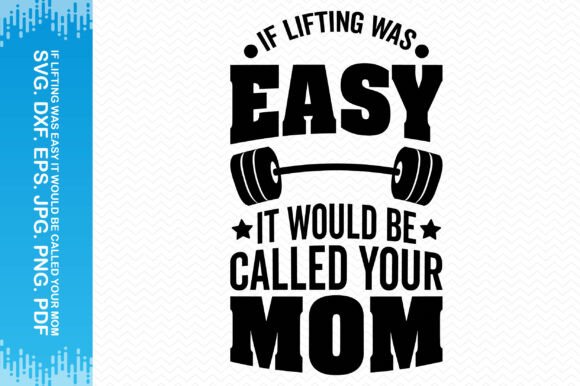
The first thing that caught my eye about If Lifting Was Easy Clipart was its bold, playful tone. The phrase itself is lighthearted and humorous, which immediately signals that this isn’t a high-end corporate asset but rather something meant for fun, relatable, and casual visual communication. The design style is clean yet whimsical, featuring hand-drawn elements or stylized typography depending on the variation. It has a distinct charm that fits well into handmade businesses, boutique lines, and Etsy shops where personality and approachability are key.
This clipart evokes a mood of friendly encouragement and self-deprecating humor, making it ideal for brands targeting audiences who appreciate inside jokes or light-hearted messaging. Whether you’re designing a motivational poster for a gym, a funny t-shirt for a local event, or an invitation for a themed party, this asset can add just the right amount of character without overwhelming the design.
Real-World Application in Client Projects
I’ve used similar clipart assets before in multiple design scenarios, from brand identity components to packaging details. With If Lifting Was Easy Clipart, the possibilities are equally diverse. Here’s how it performed across different applications:
- Logo Design: While not suitable as a standalone logo, it works well as part of a supporting brand element—especially for small businesses with a humorous angle.
- Product Labels and Packaging: This asset shines when placed on large labels or boxes. Its legibility at scale makes it perfect for adding a witty touch to handmade product packaging or gift tags.
- Social Media Graphics: On platforms like Instagram and Pinterest, where visual appeal is critical, this clipart adds a pop of personality. I tested it in both square and vertical formats, and it held up well as hero graphics.
- Sticker and Merchandise Design: As a sticker or printed on a t-shirt, this design feels authentic and engaging. It’s especially effective for niche audiences who connect with the message.
- Cricut Projects: The SVG file included in the ZIP folder is highly editable, allowing me to customize colors and shapes easily for layered vinyl or heat transfer projects.
- Printable Wall Art: When scaled up, the clipart retains clarity and detail, making it a solid choice for downloadable digital products or wall art prints.
- Editorial and Campaign Design: In a seasonal campaign for a fitness-related brand, this asset helped reinforce the theme while keeping the tone light and accessible.
Where This Design Asset Works Best
If Lifting Was Easy Clipart is most effective in designs that prioritize a relaxed, modern aesthetic. It performs particularly well in the following areas:
- Large Layout Areas: The design benefits from having room to breathe, so it looks best on posters, banners, and signage where it can be the focal point.
- Hero Graphics: Use it as the main visual in social media posts, flyers, or invitations to draw attention and set the tone.
- Themed Collections: It pairs nicely with other related illustrations or fonts in a cohesive design bundle, especially for campaigns around fitness, wellness, or lifestyle themes.
- Print-on-Demand Products: From mugs to tote bags, the clipart translates well into merchandise. I tested it on a few mockups and found it added a unique, marketable edge.
- Decorative Accents: Even if it’s not the main feature, using it as a border, background pattern, or subtle overlay can enhance the overall visual interest of a layout.
Use with Caution in These Contexts
While If Lifting Was Easy Clipart is versatile, there are some limitations to consider before integrating it into your next project:
- Small Sizes: The intricate details and text may become less legible when scaled down for buttons, badges, or micro-designs.
- Crowded Layouts: If your design already features a lot of elements, this clipart could get lost or disrupt the visual hierarchy.
- Complex Backgrounds: The design doesn’t always hold up against busy textures or gradients. A flat background tends to work better.
- Minimalist Branding: For clients who prefer a sleek, no-nonsense look, this asset might feel too informal or cluttered.
- Professional Corporate Materials: Avoid using it in formal presentations, legal documents, or high-stakes marketing collateral where professionalism is paramount.
Readability and Brand Consistency
One of the key considerations in any client project is readability. The text in If Lifting Was Easy Clipart is clear enough for most uses, but when paired with certain typefaces—like serif or script fonts—it can clash in tone. I recommend sticking to sans-serif or display fonts to maintain a cohesive look. That said, the phrase “If Lifting Was Easy It Would Be Called Your Mom” has strong emotional appeal and is easy to read at larger sizes, which helps with audience engagement and brand recognition.
For a handmade business or boutique line, this kind of design can help build a memorable brand identity. The humor and familiarity make it more relatable and trustworthy to consumers, especially in niches like fitness apparel or home goods where personal connection matters.
Designers’ Checklist Before Using This Clipart
Before recommending or implementing If Lifting Was Easy Clipart in a client project, here are some practical checks I made during my review:
- Test in Black and White: The color version is vibrant, but converting it to grayscale revealed that the contrast remains strong enough for monochrome applications.
- Check Contrast on Light and Dark Backgrounds: It performs better on lighter tones, but with slight adjustments, it can still work on darker backgrounds by increasing stroke weight or adjusting fill opacity.
- Preview at Small and Large Sizes: At smaller scales, the text becomes harder to read. Always ensure the final output meets your client's size requirements.
- Place on Real Mockups: I used it on t-shirts, tote bags, and mugs. The results were positive, but the placement required careful alignment to avoid distortion.
- Test Print Quality: The PNG files have good resolution, and the SVG format allows for precise scaling. Both formats printed clearly on physical materials.
- Review File Formats: The ZIP folder includes SVG, PNG, EPS, PDF, JPG, and DXF formats. This gives designers flexibility for both digital and physical use cases.
- Inspect PNG Transparency: The transparency is handled well in PNGs, which is great for overlaying the clipart on textured or gradient surfaces.
- Confirm Commercial Licensing: Always verify the license before using it for client or commercial projects. This ensures there are no restrictions on resale or reproduction.
Why It Can Be a Useful Creative Asset
In today’s competitive creative marketplace, standing out is essential. If Lifting Was Easy Clipart does exactly that. It’s not just another illustration; it’s a statement piece that can elevate the emotional appeal of your design. Whether you're working on a branded product line for a small business or crafting a set of editorial designs for a blog post, this asset brings a sense of authenticity and creativity that resonates with audiences.
Its versatility across file formats also means it can adapt to nearly any workflow—from digital editing in Adobe Illustrator to hands-on Cricut crafting. And because it comes in multiple resolutions and vector-friendly formats, it’s easy to integrate into Canva templates or sublimation projects.
Final Thoughts for Design Professionals
After thoroughly testing If Lifting Was Easy Clipart in several real-world scenarios, I believe it’s a valuable addition to any designer’s toolkit—particularly those working with crafts, handmade items, or community-focused brands. Its strength lies in its ability to communicate a specific tone quickly and effectively, making it ideal for projects where time is tight but impact is crucial.
That said, it’s important to use it thoughtfully. This is not a one-size-fits-all graphic design asset. It excels in environments where humor and warmth are appropriate, but it may not align with every brand’s visual strategy. As always, understanding your client’s needs and target audience will guide whether this clipart is the right fit.
If you’re looking for a way to inject personality into your next project—whether it’s for a local event, a new product launch, or a social media campaign—If Lifting Was Easy Clipart could be the spark you need. Just remember to test it thoroughly, confirm licensing terms, and consider how it supports the overall visual narrative of your design work.