Baseball Brother: A Snack-Sized Embroidery Design Review
As an embroidery designer who's stitched hundreds of projects for clients and my own handmade shop, I've learned that the right design can elevate a product from ordinary to unforgettable. When I first saw Baseball Brother I m Just Here for the, I was intrigued—not just by the clever phrase but by how it could translate into real-world embroidered items. Let’s dive into what makes this design work well in practice and where you might want to tread carefully.
A Playful Yet Practical First Impression
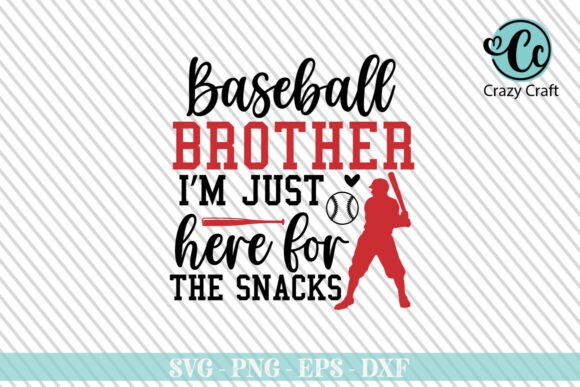
The phrase “I’m Just Here for the Snacks” brings a lighthearted, humorous tone that immediately connects with baseball fans and families alike. The visual layout of the design—likely featuring a baseball-themed icon or character alongside the text—is simple yet effective. It doesn’t overwhelm the eye, which is crucial when considering how it will look on fabric. The theme feels nostalgic and approachable, making it ideal for casual wear and home décor alike.
What stands out is the balance between detail and readability. If the design includes a baseball player or mascot, it’s probably stylized enough to be recognizable but not so intricate that it becomes a nightmare to stitch. This kind of personality fits well into everyday crafts like tote bags, sweatshirts, and baby clothes, where the charm lies in the message more than the complexity.
Real-Life Application: Custom Apparel and Beyond
I recently considered using Baseball Brother I m Just Here for the for a batch of custom embroidered sweatshirts for a local sports team mom. She wanted something fun that reflected her love for the game and the snacks she always brought to games. The design worked perfectly on a medium-weight cotton blend, adding a touch of humor without being too loud.
When applied to a tote bag, the design sits nicely within the open space, allowing room for additional text or graphics if needed. For baby clothes, it adds a playful twist to onesies or hoodies, especially during holiday seasons. On aprons or tea towels, it becomes a conversation starter in any crafty kitchen or fan-filled household.
It also has potential as an embroidered patch. The simplicity of the message and the likely bold font make it easy to read at a glance, which is essential for patches that get sewn onto jackets or backpacks.
Where This Design Shines
- Custom Apparel: Great for t-shirts, sweatshirts, and hoodies aimed at casual fans or parents.
- Tote Bag Design: Adds personality to reusable bags used for school, shopping, or game days.
- Baby and Kids Embroidery: Offers a cute and clever option for themed nursery decor or童装.
- Commercial Embroidery Projects: Can be a hit in small shop merchandise, boutique branding, or Etsy listings with the right presentation.
- Digital Embroidery File Use: Works well for printable mockups and digital previews, helping buyers visualize the finished product.
One thing I appreciate about this design is its versatility in machine embroidery design formats. Whether you're working with SVG files for digitizing or preparing a craft business listing, the structure seems adaptable. That said, I always recommend checking the file format compatibility and resolution before committing to production.
Caution Zones for Real-World Stitching
While Baseball Brother I m Just Here for the is charming and functional, there are some limitations to consider:
- Small Hoop Sizes: Designs with detailed corners or tiny lettering may not scale down well. Always test on scrap fabric first.
- Textured Fabrics: Raised textures can affect the clarity of fill stitches and satin lines, especially around the edges or characters.
- Stretchy or Thin Fabric: These materials can distort under the weight of dense stitch areas, potentially warping the design or causing puckling.
- Dark Backgrounds: Thread color contrast is key here. If your design relies on subtle shading, it may lose impact on darker garments.
- Curved Surfaces: Caps or hats require careful adjustment of stitch direction and density. The design may need redigitizing to fit properly.
- Frequent Washing: Items like blankets or baby clothes should use durable thread types and proper stabilizer to maintain longevity.
For these reasons, I’d steer clear of using this design on delicate or stretchy fabrics unless you’re prepared to adjust stitch settings or choose a different thread palette. Also, avoid hooping it too tightly, especially if you plan to embroider on a pillow cover or layered garment.
Visual Appeal and Customer Reaction
From a customer perspective, this design ticks multiple boxes. It’s memorable, relatable, and visually appealing without being over the top. As a personalized gift, it works particularly well for baseball moms or dads who enjoy a good laugh. It’s also a solid choice for holiday gifts, especially when paired with festive colors or added accents like stars or hearts.
In terms of handmade product value, the design contributes a sense of thoughtfulness and care. Buyers know they’re getting something unique, not mass-produced. Its friendly aesthetic helps build customer trust and encourages repeat engagement, especially if you offer matching family sets or seasonal variations.
Design Notes for Maximum Results
Here are some practical tips to help you make the most of Baseball Brother I m Just Here for the in your next project:
- Test on Scrap Fabric: Before stitching on your final product, run a test to see how the design behaves with your machine and thread.
- Check Thread Color Contrast: Especially important if you're using dark fabrics or want to highlight certain elements like the heart or player icon.
- Review Stitch Density: If the design includes fill or running stitch areas, ensure they don’t become too thick or cause puckering.
- Confirm Hoop Size: Make sure the design fits comfortably in the hoop you plan to use. If it’s tight, you may need to trim unnecessary white space or adjust the layout.
- Inspect Small Details: Look closely at the letters and any included icons. Tiny elements can sometimes disappear if the fabric texture is too rough or the thread is too thin.
- Use Proper Stabilizer: Especially if you're working on stretchy or slippery materials. A tear-away or cut-away stabilizer can save you hours of rework.
- Test in Black and White: See how the design holds up without color—this can help determine if the contrast is strong enough.
- Compare Light and Dark Backgrounds: This gives you a better idea of how the design will appear in various product contexts.
- Verify Licensing Terms: If you're planning to sell finished products or digital embroidery files, make sure the design allows for commercial use.
Design Assets for Your Craft Business
If you're an Etsy seller or part of a craft business, integrating this design into your lineup could add a nice seasonal or thematic variety. It’s perfect for creating design assets that speak directly to baseball-loving customers. You can pair it with other baseball svg designs to create kits or bundles, enhancing your product offerings and buyer engagement.
Professional Presentation Tips
To keep your brand consistent and professional, consider using this design across a range of items. Think sweatshirt embroidery, embroidered patches, and even nursery decor for young athletes. But remember, consistency means sticking to similar color schemes and quality standards across all handmade shop products.
For printable mockups, this design looks great in both full-color and black-and-white versions. Showing it on a variety of backgrounds can help customers imagine it on their favorite tote or hoodie. And if you're selling commercial embroidery services, including a preview of how the design would look on different fabrics builds credibility and helps set realistic expectations.
Final Thoughts for the Designer
Baseball Brother I m Just Here for the isn’t going to win any awards for intricacy, but that’s not necessarily a bad thing. In the world of Graphics and Crafts, sometimes less is more—especially when the goal is to communicate a fun message clearly and confidently. It’s a design that invites connection, whether through a shared joke or a nod to a favorite pastime.
So, while it might not be the best fit for every project, it definitely has a place in the right one. Just make sure you understand its strengths and limitations before sending it to the needle. With a little preparation, it can become a reliable asset in your embroidery project toolkit—and maybe even a new favorite among your customers.